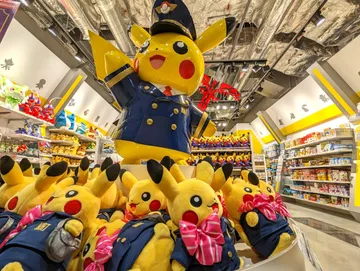
For decades, Sanrio has built one of the world’s most recognizable character brands through storytelling, partnerships, and consumer products. At the center of that success is Hello Kitty, a global icon that has connected with generations of fans through categories like plush, apparel, and collectibles.
In 2023, Sanrio expanded that connection with the launch of Hello Kitty Island Adventure, bringing Hello Kitty and her friends into an interactive digital world. Going beyond their physical products, it offered another way for fans to engage with the brand.
A child can play the game, collect Hello Kitty products, watch content, and interact with the characters across multiple experiences. Each touchpoint strengthens the relationship with the IP.
Recognizing the opportunity of building a multimedia brand strategy where every experience works together to grow the audience is how brands can strengthen their connection to existing fans, and grow in their following.
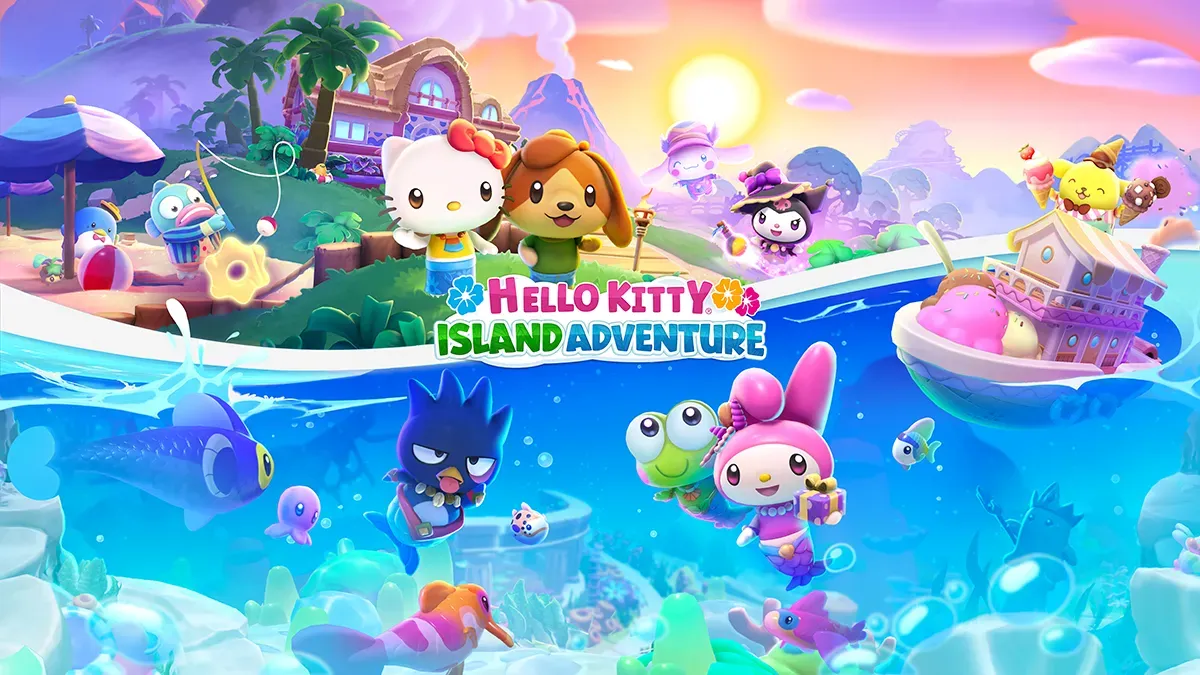
A child can hold a Hello Kitty plush, play a game featuring the same characters, and build a deeper connection with the IP across multiple experiences.
This is the opportunity for the toy industry today.
It’s Not OR, It’s AND
Historically, licensing expansion followed a linear path. A movie launched, then toys followed. A game gained popularity, then merchandise was introduced. A character built an audience, then expanded into new categories.
Today, the strongest IP strategies are built differently. Brands are creating multiple entry points at the same time, allowing fans to discover and engage with an IP across the platforms and categories they already love.
A game can drive interest in merchandise. A physical product can introduce fans to a digital experience. A major cultural moment can extend into retail, apparel, gaming, and collectibles long after the original event ends.
The World Cup demonstrated this shift. While the tournament created a massive global audience, brands are extending that momentum into new experiences that allow fans to continue participating after the final whistle. Gaming, in particular, provides a powerful way for fans to stay connected to the sport and continue engaging with the brands surrounding it.
The future of licensing is not about choosing one category over another. It is about creating connections between them.
Pokémon Is Building the Next Generation of Fans
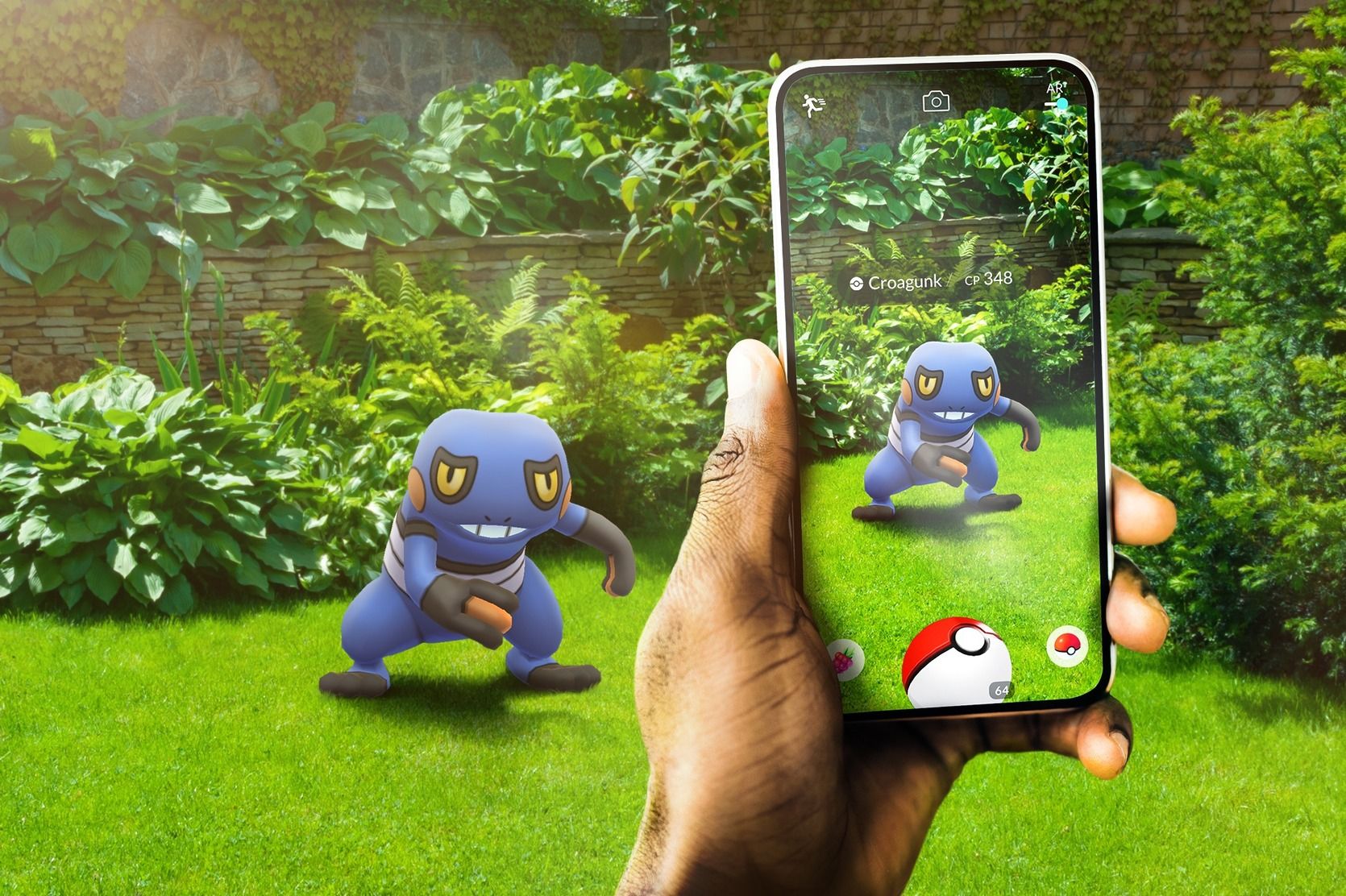
Pokémon has understood the power of multimedia brand building for decades. Games, animation, trading cards, toys, apparel, and consumer products have all worked together to create one of the world’s most valuable entertainment ecosystems.
Its upcoming Poképals initiative is another example of this strategy. By introducing younger children to Pokémon through a virtual environment, the brand is creating a new pathway for audience growth.
That digital experience will also create opportunities for physical products, including merchandise and collectibles that allow younger fans to bring those characters into their everyday lives.
The digital experience does not replace the physical one. It expands the opportunity for both.
Building IP Ecosystems Across Categories
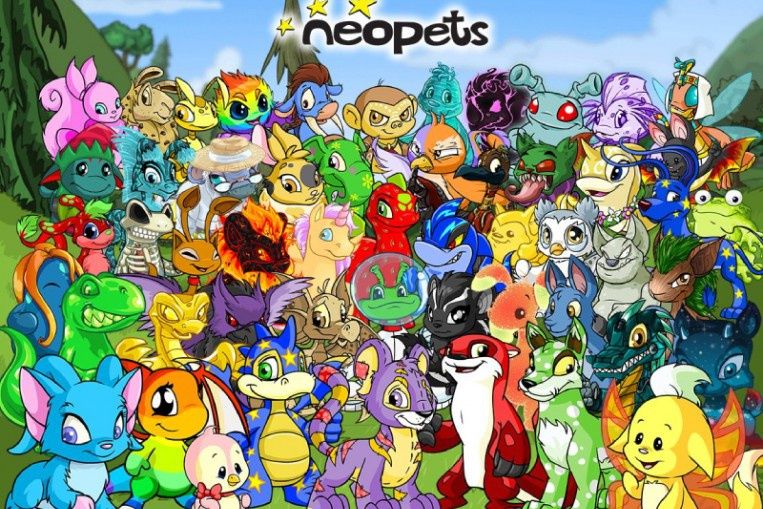
Neopets demonstrated this approach years ago by allowing characters to exist across both digital and physical spaces. Players could care for virtual pets online while also purchasing plush versions of those same characters.
The lesson remains relevant today: fans do not experience brands by category. They experience stories, characters, and worlds.
The next generation of successful IP will come from partnerships that connect those worlds together. A collectible can unlock a digital experience. A game can inspire merchandise. A virtual character can become a physical product.
The product is no longer just what consumers purchase. It is the entire experience surrounding the brand.
Finding the Right Partners for the Future of Play
Building a multimedia brand strategy requires collaboration across industries. IP owners need partners who can extend their brands into new spaces while maintaining their identity. Manufacturers need access to digital innovators who can create differentiated products. Developers need opportunities to connect their platforms with characters that already have passionate audiences.
The brands that succeed will be the ones that meet fans wherever they engage, whether that is through a game, a physical product, a retail experience, or a new digital platform.
At Negosh, we believe the future of licensing is built through connection, bringing IP owners, manufacturers, and innovators together to discover the partnerships that will define the next era of consumer experiences.