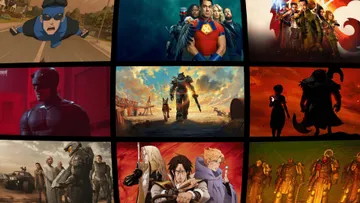
With last week’s news that Netflix has signed a deal with Asmodee on Catan to create ‘a slate of scripted and unscripted projects inspired by the hit board game’, and Robert Kirkman’s Skybound Entertainment and Hasbro Entertainment are teaming up to produce Energon Universe, based on G.I. Joe and Transformers, it seems the scramble for IP that appeal to adults is in full swing.
Using well known IP to attract adult viewers isn’t new, and broadcasters have been using them for years to drive engagement and excitement. The Boys, based on the adult focused comics, has been one of the standout hits for Prime, as has Invincible and Fallout.
HBO has woken up to the potential of the DC Universe to create adult specific content and Peacemaker has proved a hit that both can both sit within their cinematic universe but appeal to a more grown up audience.
Halo originally on Paramount+, after nearly 20 years stuck in production limbo, stumbled at first, but has found new audiences on Netflix. Returning to Netflix this month was The Witcher with Liam Hemsworth taking over lead duties from Henry Cavill, the series has brought new audiences to the video games and graphic novels.
Netflix was early in taking more family friendly IP, namely Marvel, and creating darker content specifically for older fans. Their NYC-based shows starring Daredevil, Jessica Jones, Luke Cage, Iron Fist and The Punisher were a masterclass in utilizing well known characters from an IP that had content targeting family friendly audiences, from toddlers upwards, and creating content, still within the shared universe, that was definitely not kid friendly. The shows were well received and brought subscribers to the service early on in its growth.
It's notable that after taking the rights to the shows back, Marvel has resurrected these shows and characters ,with the original actors ,on Disney+ with Daredevil: Born Again and The Punisher Special Presentation.
Producers and streamers are looking at IP that already have either high awareness or highly engaged fanbases to create their next hit. When looking at IP with high awareness, attention is moving to kids IP from several decades ago. Some have tried to bring these back for new generations of kids, with mixed success, and it will be interesting to see how Amazon MGM Studios’ take on Masters of the Universe, debuting in theaters next summer, performs given its family friendly focus.
Alternately, others are looking to age the kids IP up to match where their original fans now are. This is where the Transformers/G.I. Joe show - Energon Universe - is headed, based on the adult focused comics of the same name created by Robert Kirkman and published by Skybound, and following the successful model laid down by Invincible.
The long gestating deal between Games Workshop and Prime for series and movies based on the Warhammer universe however will have to be adult focused given the darkness of the IP.
It will be interesting to see which audiences the content being produced by Netflix for Magic: the Gathering and Dungeons & Dragons will target. Hasbro will be keen to both delight existing fans but also extend the awareness and audiences for these lucrative brands. Tabletop games like D&D, Magic and Warhammer, and video games like Assassin’s Creed, also getting a life action Netflix adaptation, have incredibly loyal and invested fan bases, the tightrope for showrunners to walk is creating content that is true to the source material to keep fans on side but also creating something with appeal beyond these already existing fanbases.
What is clear though is that streamers are recognizing the huge opportunity that adult focused IP bring them in growing audiences and driving new subscribers. For IP owners having content that will both further engage their existing fanbases and bring in new fans to the core business, whether its comics, tabletop or video games, is incredibly valuable and will also help further drive additional licensing opportunities.
So expect to see the mining of video and tabletop gaming IP to continue as well as the dusting off of 80s and 90s kids TV brands. And this will only help further fuel the kidult trend seen in, and driving, the toy industry.