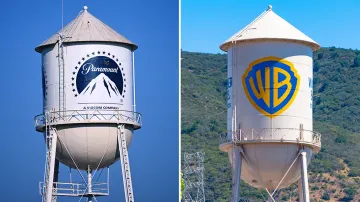
With Warner Bros. Discovery set to become part of the Paramount empire and last week’s news that All3Media and Banijay are merging, what impact is this likely to have for licensing?
For studios with fewer properties that generate licensing opportunities, it could be a good thing. The new combined Banijay will have the Banijay Entertainment and All3Media libraries and will represent properties such as The Traitors, Big Brother, Survivor, Peaky Blinders, Gogglebox, House of Guinness, The Assassin and Oscar-nominated Hamnet, plus theatre productions such as multi-award winning The Lehman Trilogy, as well as animated kids properties Mr Bean and Totally Spies. This still feels like a robust and manageable sized portfolio covering mainly TV properties, across all ages and demographics, as well as a mix of evergreens as well as newer hits.
For the likes of the Paramount and Warner Bros. merger however the number of licensing IPs that will be brought together is going to be huge. Just looking at the biggest properties the joint company will manage, and we have a list that includes SpongeBob SquarePants, Harry Potter, Teenage Mutant Ninja Turtles, DC, PAW Patrol, Friends, Star Trek, Looney Tunes, South Park, Scooby-Doo, Emily in Paris, Hanna Barnera and MTV. Once you also add in all the shows from Cartoon Network and HBO as well as the full movie library of both studios, which includes everything from Grease, The Goonies, The Wizard of Oz, The Godfather, Dune & Breakfast at Tiffany’s, you’re looking at 100s of IP that have proven licensing potential.
The combined portfolio will be enormous and there is scope to say that there are already under utilised IP in both portfolios ,as focus is kept on the tier A brands. Once combined the number of IPs that won’t get the attention they deserve will likely only grow.
Disney does a very good job with their vast portfolio, they are the world’s biggest licensor for a reason after all. They manage the Disney animation library, Pixar, Star Wars and Marvel and no one could claim that these aren’t fully maximised. But when you remember that they also own the Fox film and TV library including the likes of Buffy the Vampire Slayer, the Alien and Predator franchises and The Sound of Music, then they also have plenty of properties that could use more attention.
Sadly the combined Paramount/WB licensing team will likely be consolidated which will see the priority list of the combined portfolio further truncated. With such a mix of properties, likely with different approval flows and rules, deal timelines will extend, minimum guarantees will increase and smaller licensees will be frozen out.
New licensees are the lifeblood of the industry, bringing new categories, ways of working and innovation. With fewer, bigger licensors, with a narrow focus on just the proven franchise-led licensing hits, along with higher minimum guarantees and long lead times, the barriers of entry to the licensing industry will only get more and more insurmountable.
This is where new ways of working will be needed more than ever. AI matching of IP with licensees and marketplaces like Negosh - anything that reduces friction in the match making and deal facilitation process - will be key in making sure that the industry maximises the potential of existing IP as well as giving new IP and manufacturers the chance to innovate and uncover new opportunities.