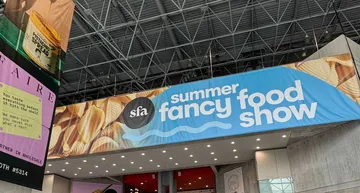
Every year, the Summer Fancy Food Show offers a preview of where consumer tastes are heading. This year, it also a glimpse into where the next generation of licensing partnerships will come from.
Across hundreds of exhibitors, one pattern became increasingly clear: many of tomorrow's strongest licensees aren't traditional licensing companies. They're food manufacturers with exceptional products, established retail relationships, and loyal customers, but they haven't viewed licensing as part of their growth strategy.
For years, licensing has often relied on existing industry networks and established relationships. But technology and creativity are beginning to change that.
Manufacturers no longer need dozens of brand partnerships to grow. They need the right brand at the right time – backed by data, consumer demand, and a partner that genuinely fits their product.
Consumer Trends Are Creating New Licensing Opportunities
Several product trends appeared repeatedly throughout the exhibition, and rather than viewing these simply as food trends, licensors should recognize them as indicators of where future product collaborations may emerge.
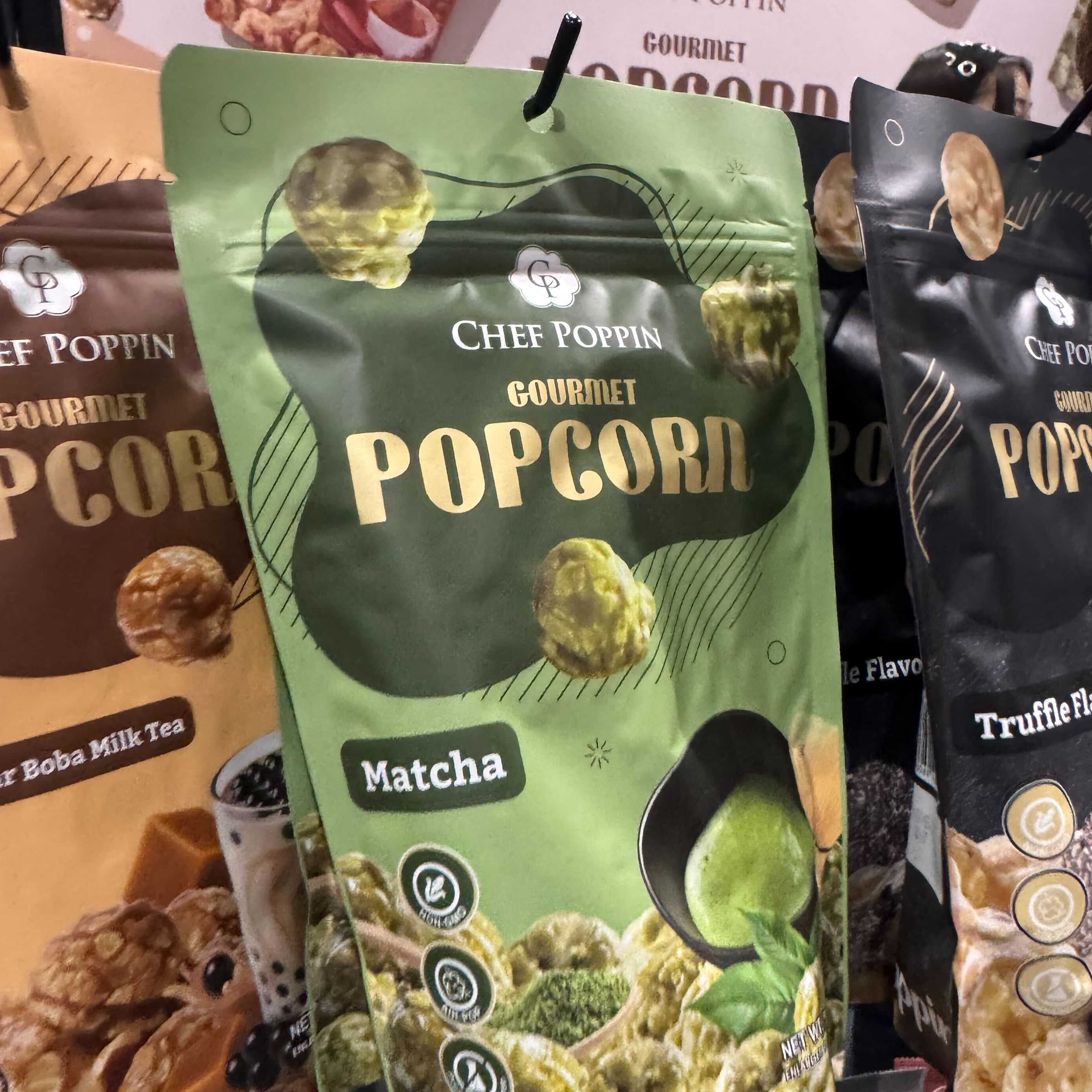
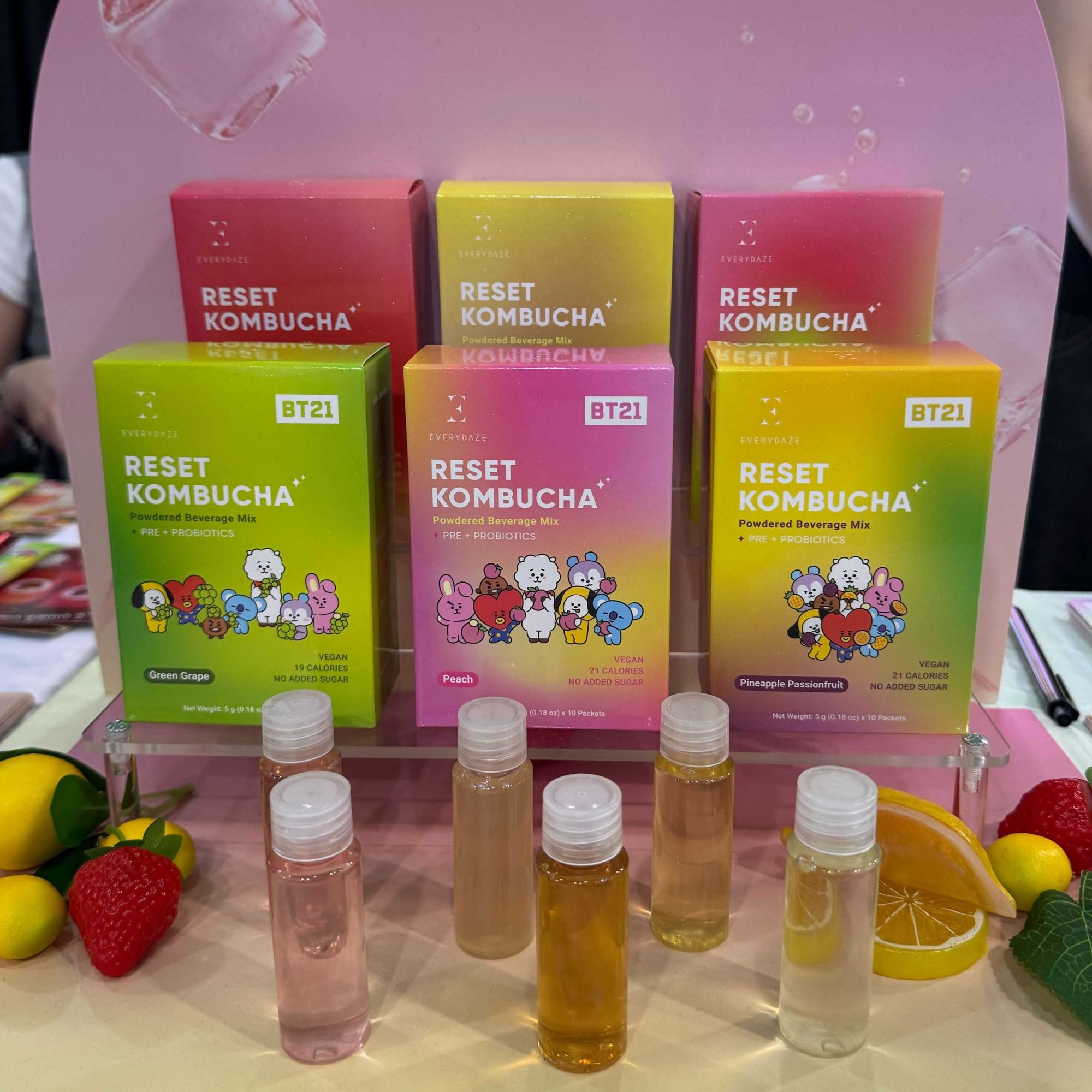
- Matcha is a Lifestyle
Matcha has expanded beyond beverages and now appears across cookies, chocolate, desserts, snack foods, baking mixes, and functional products. Beyond a simple ingredient, matcha holds cultural relevance.
Brands rooted in Japanese lifestyle, anime, wellness, or premium experiences suddenly have a much wider range of products that feel authentic extensions of their audience.
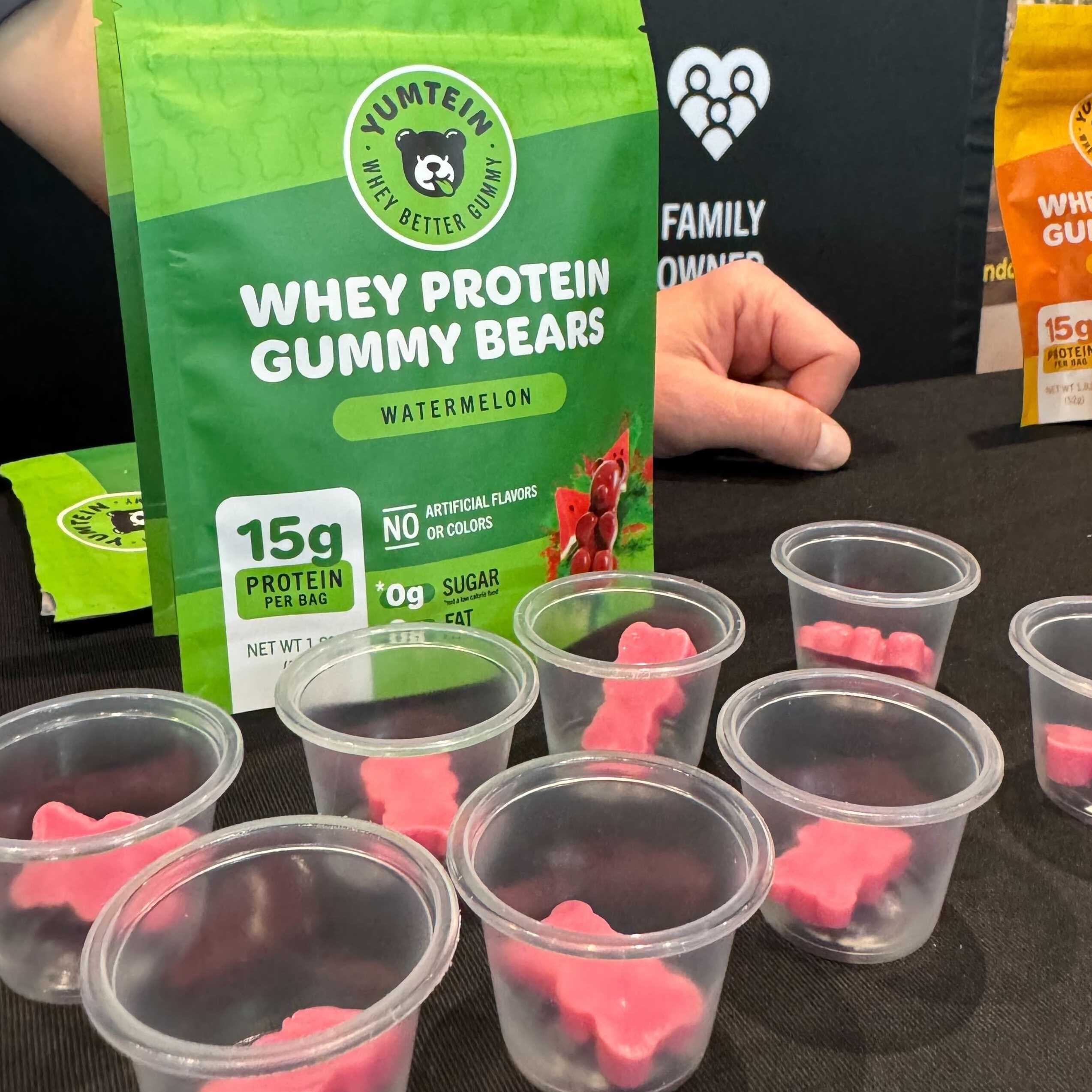
- Protein is King
Protein has quietly become one of the biggest platform ingredients in grocery. Rather than living exclusively in sports nutrition, it's appearing in every foods: popcorn, cereal, pasta, cookies, coffee – even confectionery and desserts.
Consumers increasingly expect everyday foods to provide additional functional benefits, creating licensing opportunities beyond traditional fitness brands.
Imagine a sports property, a wellness creator, and even a performance-focused entertainment brand. Each becomes a potential collaboration when the product naturally reinforces the brand story.
- "Free From" is the Expectation
Gluten-free. Dairy-free. Plant-based. Allergen-friendly. These food criteria are no longer niche, but expected.
Just as apparel gradually shifted toward inclusive sizing and gender-neutral collections, food is moving toward products that more people can enjoy together. This creates meaningful licensing opportunities for brands built around accessibility, education, and wellness for families and kids.
Food May Be Licensing's Most Underrated Category
Food & Beverage continues to be one of licensing's most compelling growth opportunities. Because unlike apparel or collectibles, food creates repeat purchasing behavior.
Consumers don't buy cereal, coffee, of snacks once. They buy them weekly.
That creates something every licensor wants: frequent consumer touchpoints. When those purchases are connected to brands consumers already love, licensing becomes part of everyday routines instead of occasional fandom.
Retail buyers recognize this because a strong product earns shelf space. A strong product paired with a recognizable brand story often earns even more.
Beware: Not Every Food Trend Creates Intellectual Property
Dubai Chocolate appeared throughout the show in numerous forms, from pistachio-filled chocolate bars to bakery products and desserts, but it also illustrates an important licensing lesson.
Successful consumer trends don't automatically become protectable intellectual property. Attempts to secure trademark protection around the phrase "Dubai Chocolate" have demonstrated the challenges of protecting names tied to geographic locations and broadly adopted product categories.
Understanding where branding ends and intellectual property begins is becoming increasingly important as food innovation accelerates.
The Next Generation of Licensees Is Already Here
One of the most interesting observations from the show wasn't what companies were selling, but who was selling them.
Many exhibitors already possess the characteristics licensors actively seek.
- Proven manufacturing capabilities
- Existing retail distribution
- Strong quality standards
- Consumer trust
- Speed to market
- Product innovation
What's often missing isn't capability, but awareness. Many manufacturers haven't fully considered licensing because they assume the industry is difficult to access or reserved for companies with existing relationships.
But in reality, they're already licensing-ready because of their existing supply chain, distribution, and consumer base. If you're a food manufacturer, consider a few simple questions.
- Are your products already sold nationally?
- Do major retailers trust your execution?
- Have you built a loyal consumer following?
- Could your products naturally extend an existing brand?
- Are you looking for ways to differentiate in an increasingly competitive category?
If the answer is yes, licensing may be much closer than you think.
Final Thoughts
This year's Summer Fancy Food Show celebrated its 70th edition, showcasing the innovation, entrepreneurship, and creativity that continue to shape the specialty food industry... and the licensing one too.
Many of tomorrow's best licensing partners aren't exhibiting at Licensing Expo. Instead, they're exhibiting at food shows with exceptional products earning retailer trust and cultivating loyal customers.
They simply haven't entered the licensing ecosystem yet.
Helping those companies discover the right brand partnerships may be one of the biggest opportunities for our industry over the next decade.