Rock Against Racism
Why partner with Rock Against Racism?
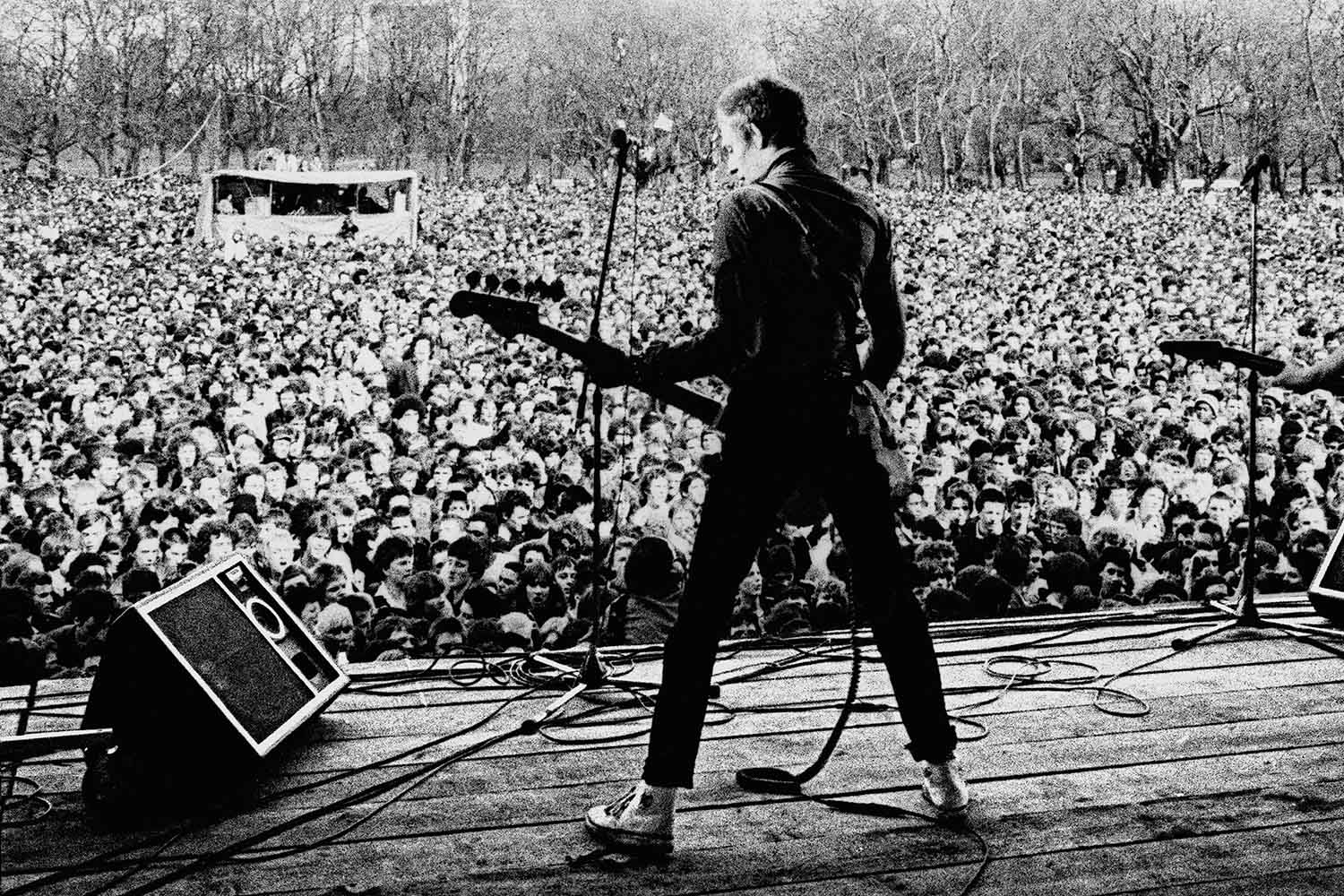
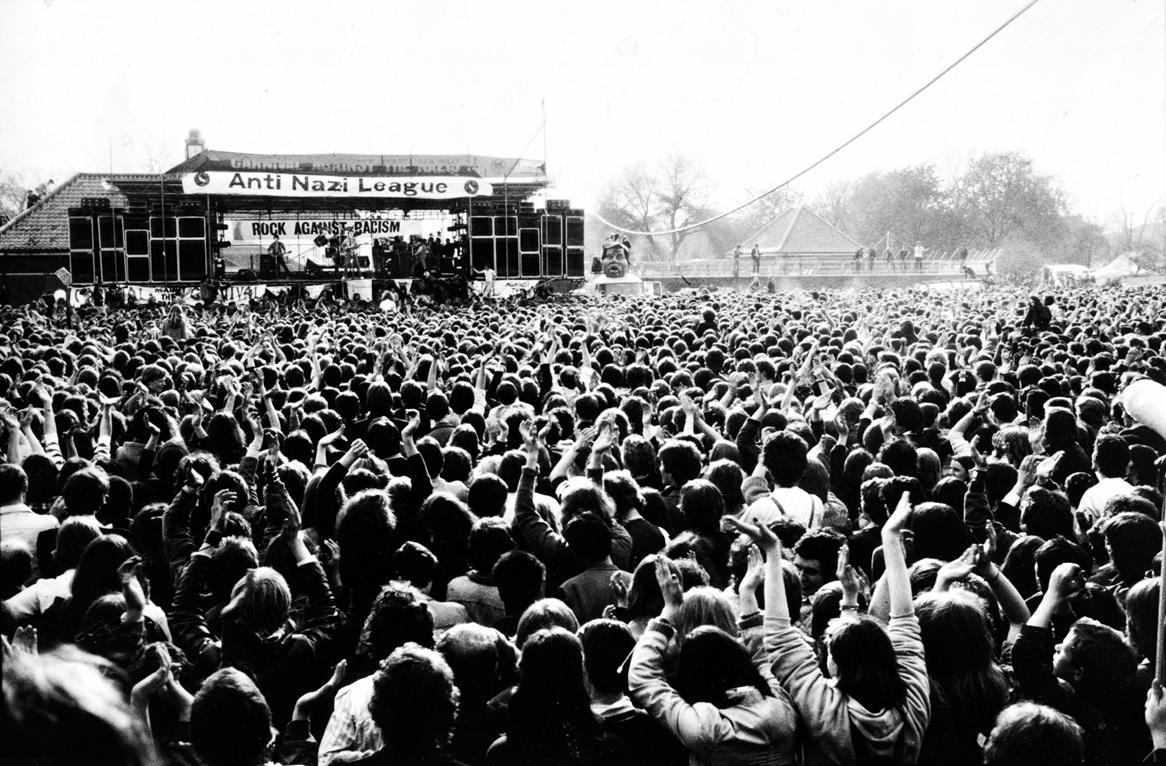
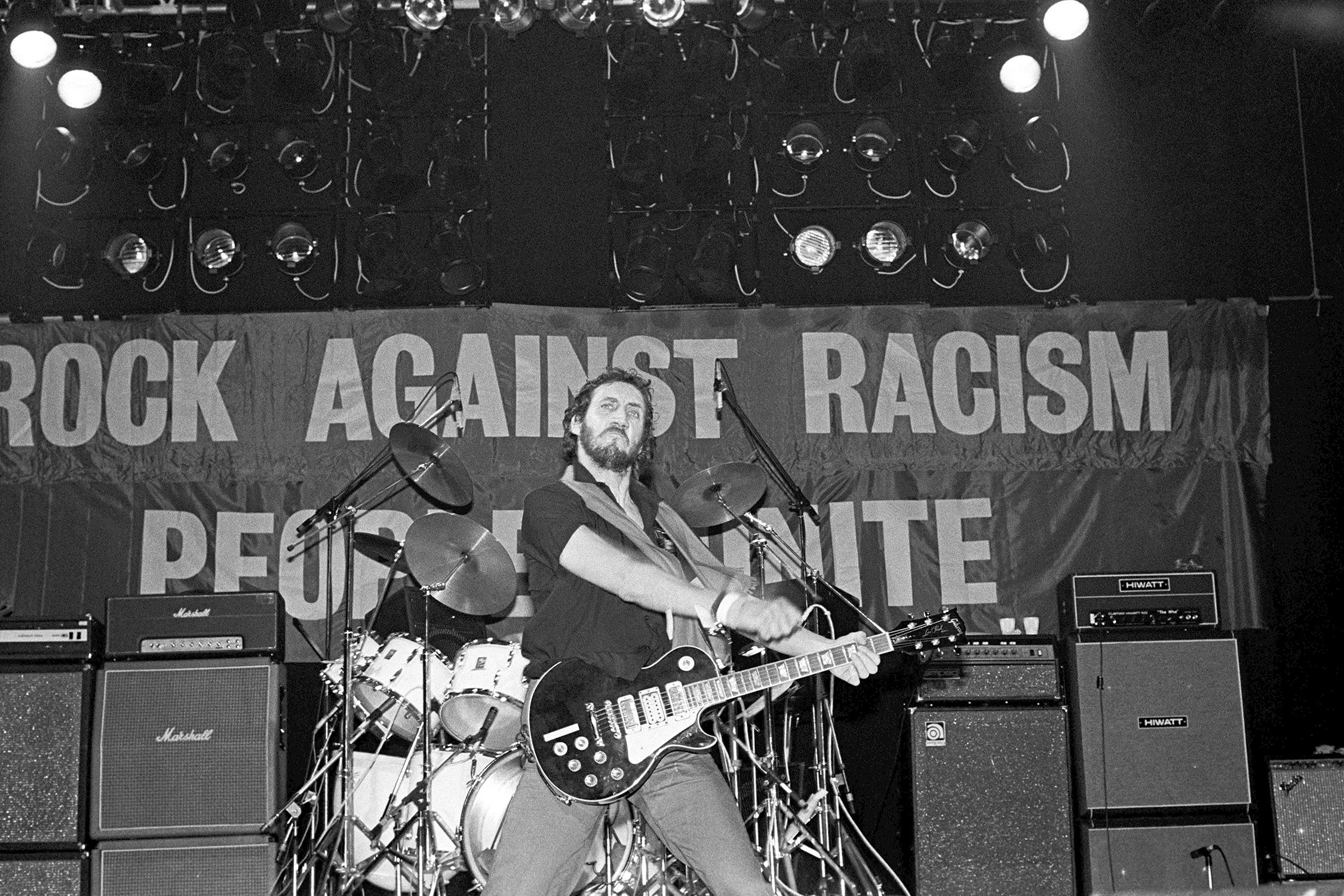
The Rock Against Racism movement was founded in England in the late 1970s by a group of musicians and political activists. At that time there had been an increase in racial violence and xenophobia which was fuelled by the rise of the National Front, a neo-Nazi political party. But the immediate spur for the formation of the movement was a speech given by Eric Clapton, a famous rock guitarist and performer, at a concert in Birmingham in August 1976. At the concert Clapton had announced his support for Enoch Powell, a controversial British MP who was strongly opposed to immigration and whose speeches had stirred up racist feelings and attacks against black Britons. Ironically, Clapton had recently had a world-wide No. 1 hit with the song ‘I Shot the Sheriff’, first written and recorded by Jamaican reggae legend Bob Marley. In a show of multicultural solidarity, musicians from all across the country came together for Rock Against Racism concerts and events. Mass popular protests were organized under the slogan: “Reggae, soul, rock ‘n’ roll, jazz, funk, punk – OUR MUSIC”. A notable Rock Against Racism event from this time was the “Carnival against the Nazis” rally held in April 1978. Over 100,000 people marched from Trafalgar Square through London’s East End – the heart of National Front territory – to a concert in Victoria Park, Hackney. One of the most influential of the Rock Against Racism musicians was Jerry Dammers. Dammers’ band was The Specials, also known as Special AKA, a ska band comprising black and white musicians. In 1979 Dammers established a new record label called 2 Tone Records to release the band’s songs and albums, and he also signed up many other popular bands and musicians. For the new label Dammers created a distinctive logo which featured a drawing of a young man named “Walt Jabsco” who was dressed in typical “rude boy” style: black suit, white shirt, black tie, pork pie hat, white socks, and black shoes. Also featured on record sleeves and covers was a black-and-white checkered design, with the two tones tightly woven together and equally distributed. The logo and design were symbols of racial unity, and they captured perfectly the multi-racial mix of the musicians on stage and the fans dancing together in the crowd.
How do I license Rock Against Racism?
To license Rock Against Racism, sign up for a Negosh account and complete your company profile with your product categories, territories, and other helpful information. Search for the Rock Against Racism page on Negosh and submit a deal proposal outlining the products, territories, and terms you have in mind. Your company then goes through an automated qualification process, and once you're qualified, your proposal is forwarded. Negotiations continue in your Negosh deal room until the licensing agreement is closed.
Product categories
Accessories Apparel Domestics Electronics & Accessories Food & Beverages Footwear Furniture & Home Furnishings Gifts & Novelties Health & Beauty Housewares Infant Products Publishing Sporting Goods Stationery & Paper Toys & Games Video Games / Software / Interactive Open to Other
Channels of distribution
• Mass Market Stores • Department Stores • Mid-Tier Department Stores • Online Retailers / ECommerce • DTC • Off-price Retailers • Grocery • Specialty • Other
Gallery